The Birth House of Zuko Džumhur in Konjic is one of the most recognizable cultural sites dedicated to the life and work of Zulfikar Zuko Džumhur, a renowned Bosnian-Herzegovinian travel writer, painter, and caricaturist. Located in the atmosphere of Konjic’s old town, the house brings together literature, art, travel, and the personal history of a man whose spirit and creativity reached far beyond the place where he was born.
The museum preserves the memory of Zuko Džumhur through the authentic setting of his birth house, personal belongings, photographs, manuscripts, awards, caricatures, and artworks. Through its exhibition, visitors can discover his life journey, his strong connection with Konjic, and the broad worldview that shaped his travel writing, drawings, and television work.
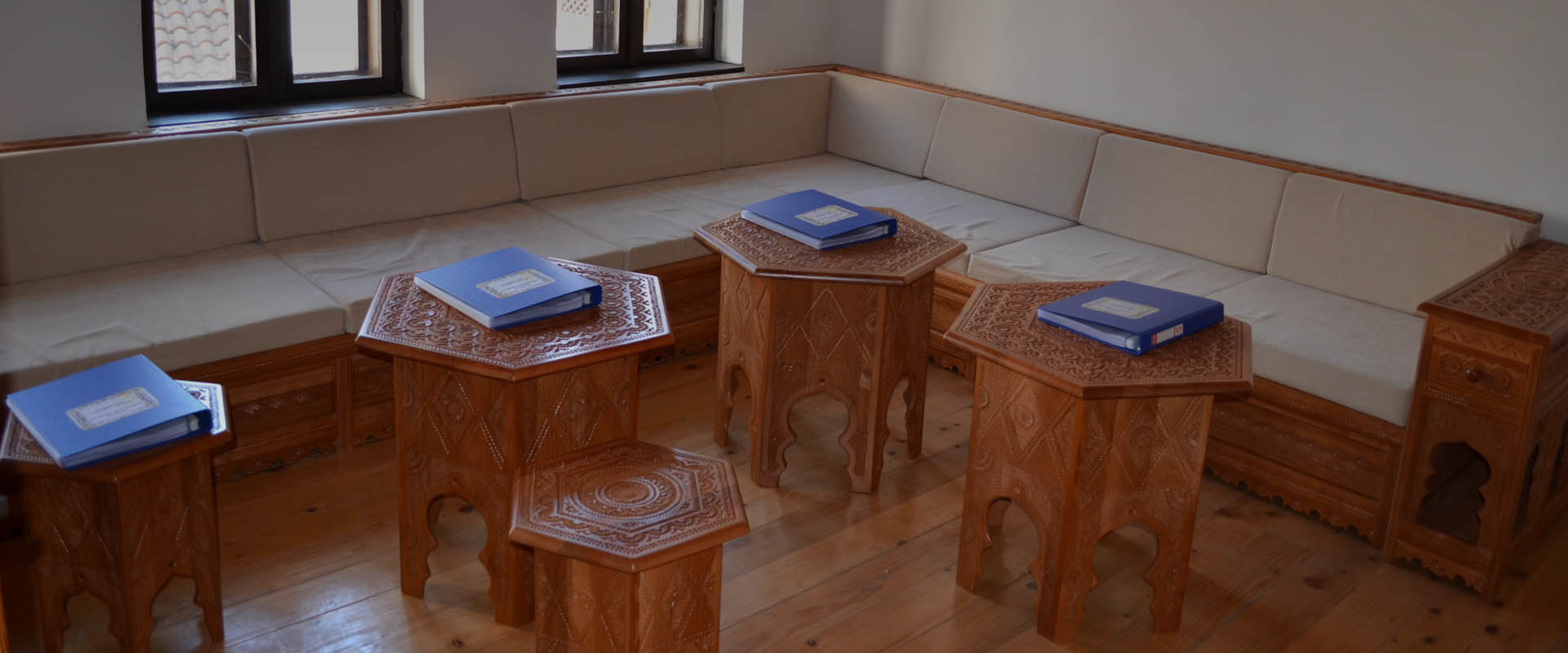
A special value of the museum lies in its authentic furniture, crafted by Konjic woodcarvers. Decorated with traditional motifs and shaped by local craftsmanship, the interior is not only a memorial to Zuko Džumhur but also a testimony to the rich cultural and artisan heritage of Konjic. In this way, the museum connects the personal story of a great artist with the identity of the town he came from.
The exhibition presents different aspects of Zuko’s creative work — from caricatures and paintings to published and unpublished manuscripts, as well as photographs of his family, friends, writers, artists, and many people he met throughout his life. Rather than presenting only biographical facts, the museum creates an atmosphere that reveals his character, his time, and his openness toward people, cultures, and journeys.
The Birth House of Zuko Džumhur is an important part of Konjic’s cultural and tourist offer, as well as a place that keeps alive the memory of one of the town’s most famous figures. Through its exhibits and storytelling, visitors gain insight into a person who left a lasting mark on literature, visual arts, journalism, and the travel-writing tradition of Bosnia and Herzegovina.
The museum is not only a place of remembrance, but also a source of inspiration for future generations. Its main role is to preserve the life and legacy of Zuko Džumhur, while also reminding visitors that art, travel, humor, and openness of spirit are lasting values capable of connecting people, towns, and cultures.